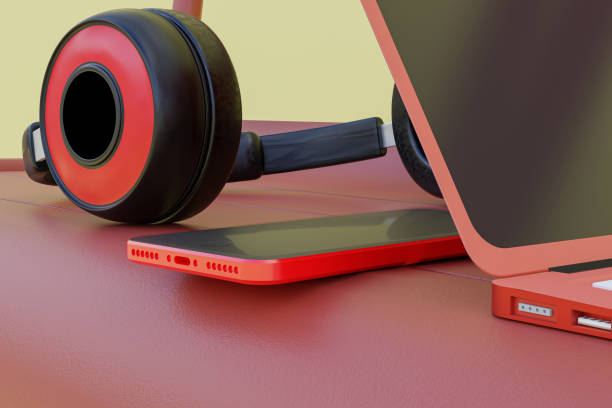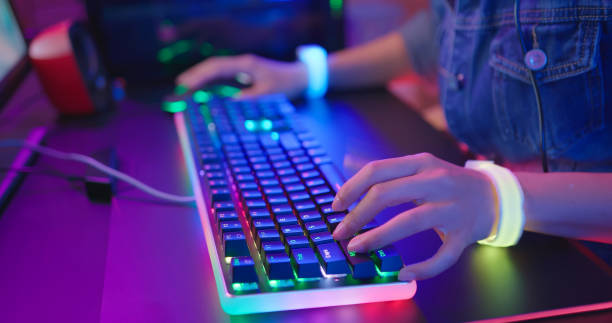
Your console is only part of the equation. The controller in your hands, the headset on your ears, and the way everything is arranged around your screen will shape your experience far more than the raw power of the machine itself. The good news is that you do not need to spend a fortune to make meaningful upgrades. A few smart purchases, chosen with a bit of patience, can turn a decent setup into a great one.
Start with the controller, because it is the one thing you touch constantly. First-party controllers are excellent, but they are also expensive to replace, and stick drift has become a frustrating fact of life for many players. If you are buying a replacement or an extra controller, look into whether it uses Hall effect sticks, which rely on magnets instead of physical contact and are far less prone to drift over time. This single specification can save you from buying the same controller twice. If you play competitively, consider a controller with back paddles. Being able to jump or reload without lifting your thumbs off the sticks feels awkward for about an hour and then becomes hard to live without. Adjustable trigger stops are a nice bonus too, letting you shorten the pull distance for shooters.
Comfort matters just as much as performance. Long sessions punish your hands, your neck, and your eyes. Controller grips and thumbstick covers cost very little and cut down on sweat and fatigue. If you play with a headset for hours, a lightweight open-back design keeps your ears cooler than a heavy closed-back model, though it will leak sound into the room. A simple charging dock deserves a spot on your shelf too. Dropping controllers onto a dock instead of hunting for cables keeps them topped up and your space tidy, which sounds trivial until you have done it for a week.
Audio is where console players often leave the most on the table. Many people use TV speakers and wonder why they cannot hear footsteps behind them. You do not need a surround sound system. A decent headset with separate game and chat volume controls solves the two biggest problems at once: hearing the game and hearing your friends. If you play late at night, a headset also lets you keep the volume up without waking anyone. For movie nights, a soundbar with a wireless subwoofer delivers a much bigger improvement than most people expect from a single purchase, and it connects in minutes.
Then there is storage. Modern games are enormous, and the drive that came with your console fills up faster than you think. An external drive is the cheapest fix for keeping a large library installed, though note that games built specifically for newer consoles usually need to run from the internal drive or an approved expansion card. Use the external drive for older titles and backlog games, and keep the fast internal space for what you are actively playing. This one habit prevents the constant cycle of deleting and redownloading.
Finally, think about how everything connects. Consoles have a limited number of ports, and between a headset, a charging cable, and an external drive, you can run out quickly. A powered USB hub solves this for a small cost, and it keeps your cables from turning into a knot behind the TV. Cable management is not glamorous, but a handful of velcro ties and clips make your setup easier to use and far less annoying to change.
None of these upgrades require technical knowledge. Read reviews, check return policies, and buy one thing at a time so you can actually tell what made the difference. Your setup should serve your hands, your ears, and your schedule, not the other way around. Get those basics right and everything you play will feel better.