There was a time when computer sound was an afterthought. If you were lucky, you got a single tiny speaker inside the case that made beeps, boops, and a sad little version of a game theme. If you were unlucky, you got silence and a blinking cursor. Then add-on sound cards and external speakers arrived, and suddenly a desktop PC could feel like a stereo system. That shift is why retro audio peripherals still matter. They are not just old plastic. They are the moment computers stopped being office machines and started being fun.
The big turning point was the sound card. AdLib and Sound Blaster cards gave games real music, digitized voices, and sound effects that did not sound like a robot trapped in a tin can. For non-technical folks, think of a sound card as a translator. The computer speaks in digital numbers; the card turns those numbers into voltages that speakers can push into the air. A good card meant the difference between a game sounding like a spreadsheet and sounding like a movie. Modern motherboards handle audio just fine, but retro cards remind us that sound has always been a hardware feature, not magic.
Then came the speakers. Beige, boxy, often sold in pairs with a chunky subwoofer under the desk. Creative Labs, Altec Lansing, Labtec, Cambridge SoundWorks, and other brands filled bedrooms with more bass than any teenager needed. The knobs clicked. The power LED glowed green or amber. The cables tangled into a nest behind the tower. And when a game exploded, the room shook. Today’s Bluetooth speakers are smaller and smarter, but many old PC speaker sets still work. Hook them to a cheap amplifier or a modern desktop DAC, and you get a sound that is warm, rough, and surprisingly satisfying. It may not be studio accurate. It does not need to be.
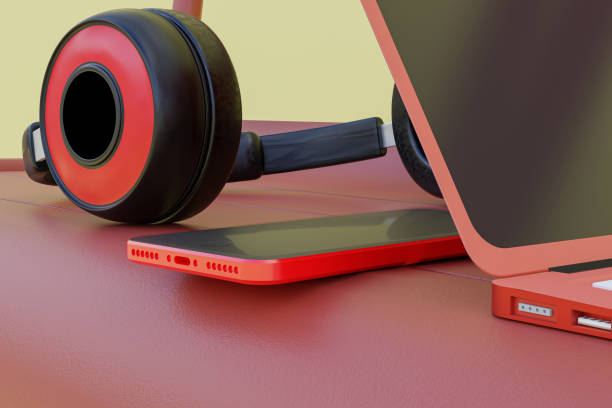
Personal audio had its own retro world. The Walkman made cassette tapes portable. The Discman made CDs portable, as long as you did not bump it too hard. MiniDisc players were strange, beautiful, and ahead of their time. Early MP3 players had tiny screens and hard drives that clicked. The headphones were often foam-padded, plastic, and prone to breaking at the plug. Yet that is exactly why they are worth remembering. They taught a generation that music could travel with you. They also taught troubleshooting. If the sound cut out, you wiggled the cable. If the tape ate itself, you learned patience. If the batteries died, you learned to carry spares.
Retro audio peripherals are also a lesson in connections. Before everything became wireless, you had to know your plugs. A 3.5mm jack went into a phone, a computer, or a portable player. A quarter-inch jack belonged to guitars and big headphones. RCA cables carried left and right channels from a CD player to a receiver. DIN plugs, USB audio interfaces, and optical cables all had their own rules. That sounds annoying, but it is useful knowledge. Once you understand signal flow, you can fix half the audio problems in your house. Source to amplifier to speakers. That is the whole chain. If there is no sound, check the chain one link at a time. Old gear forces you to learn that because there is no app to hide the basics.
There is also the tactile pleasure. A physical volume knob is faster than tapping a screen. A cassette deck’s clunky buttons feel like they mean something. A vintage receiver with a big tuning dial can make a movie night feel more special than a soundbar with a remote you cannot find. These devices are often repairable. You can clean a scratchy potentiometer with contact cleaner. You can replace a belt in a tape deck. You can swap a blown fuse. That is rare in modern sealed gadgets, and it is a big reason retro audio gear keeps a loyal following.
You do not need to be an expert to enjoy it. Start small. Find a pair of old bookshelf speakers at a thrift store. Add a simple class-D amplifier. Connect your phone, computer, or turntable. Listen. Maybe the highs roll off. Maybe the bass is loose. Maybe there is a hum until you fix a ground loop. That is part of the hobby. Clean the contacts, manage the cables, and give the gear a fair chance.
Retro audio peripherals are not about pretending the past was better. They are about remembering that sound is physical, tactile, and fun. Modern gear is convenient, and that is great. Old gear is a conversation. It asks you to turn a knob, check a cable, and actually listen. Keep a beige speaker or a tangled headphone around. It might teach you more about audio than any app ever will.