Your brain does not have a mute button. It hears the fridge hum, the neighbor’s leaf blower, the notification chirp, the tiny voice reminding you to check email. Music and ambient sound can cover that chaos, but only if you use them deliberately. The goal is not to become an audiophile. The goal is to make your desk feel like a focused little booth, even if your gear is basic.
Start by deciding what kind of work you are doing. If you are reading, writing, coding, or doing anything with words, lyrics are usually a trap. Your language brain wants to sing along, and suddenly you have read the same paragraph three times. Instrumental music works better. Movie scores, video game soundtracks, jazz without vocals, lo-fi beats, and classical pieces are all easy wins. If you need energy, choose faster tracks. If you need calm, choose slower ones. The trick is to pick a playlist and stop fiddling. Every time you skip a song, you spend a little focus on being a DJ instead of doing the work.
If you cannot tolerate music, use ambience. Brown noise and pink noise are not just internet jokes. They are steady, low-frequency sounds that mask distracting chatter and clatter. Rain, thunderstorms, coffee shop murmur, airplane cabin, and fan noise can also work. Some people focus best with a fireplace crackle or the hum of a spaceship engine. The content matters less than the consistency. A steady sound gives your brain fewer surprises to process. That means less energy spent on “What was that?“ and more energy spent on the task.
Volume is where most people mess up. If you have to crank the sound to drown out a loud room, you are fighting a losing battle. Fix the room first if you can. Close the door. Move the desk away from the TV. Add a rug or curtains to soften echo. Then set your audio just loud enough to blur the background, not loud enough to become the background. A good rule is that you should be able to hear a person speak to you from a few feet away without them shouting. If you cannot, turn it down. Your ears are not replaceable.
Hardware matters, but not as much as comfort. Over-ear headphones with soft pads and a gentle clamp force can disappear for hours. In-ear buds can be great, but only if they actually fit. If your ears ache after twenty minutes, the problem is not your willpower. It is the fit. Foam tips, different ear tip sizes, or a lighter pair of headphones can fix it. Noise-canceling headphones are wonderful for open offices and buses, but they are not magic. They work best on steady low sounds like engines and air conditioners. They do less against a nearby conversation. For that, you need masking sound, not just cancellation.
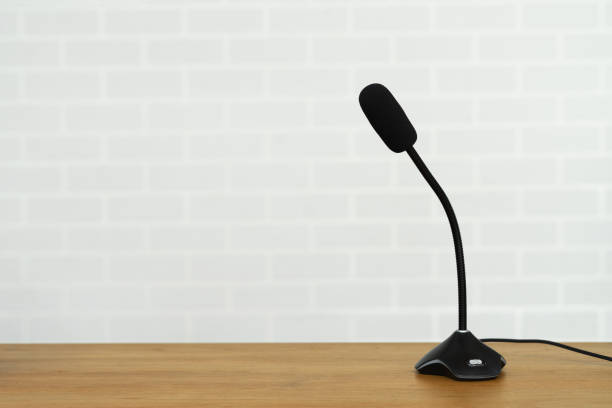
You do not need a fancy speaker setup to create a focus vibe. A decent Bluetooth speaker on a shelf can fill a room without pressing on your ears. A smart speaker can play rain sounds or a focus playlist with one sentence. Your phone can do the same, but keep it face down and notifications off. If your computer is your source, close the tabs you are not using. Browser-based ambient mixers are fun, but they can become a rabbit hole. Pick one and leave it alone.
Build a few reliable sound scenes instead of one giant playlist. Maybe one for deep work: brown noise plus a soft fan. One for creative work: instrumental hip-hop or game music. One for admin tasks: upbeat electronic or surf rock. One for winding down: ambient pads or slow piano. Name them simply. When you sit down, choose the scene that matches the job. That small ritual tells your brain, “We are doing this now.“
Take breaks without sound. Silence can feel uncomfortable at first, but it helps you notice tension in your jaw, shoulders, and eyes. Stand up. Look across the room. Let your ears rest. Then return to your sound scene. The point is not to live in headphones. The point is to use audio as a tool for comfort, health, and focus. When music and ambience are doing their job, you forget they are there. You just work.