The first microphone is a rite of passage. You have something to say, record, stream, or sing, and your laptop mic sounds like a tin can in a wind tunnel. Suddenly every forum thread is yelling about XLR, phantom power, audio interfaces, and why USB is either fine or terrible. Here’s the no-nonsense version: both USB and XLR microphones can make you sound good. The right choice depends less on specs and more on your room, your budget, and how much you enjoy twiddling knobs.
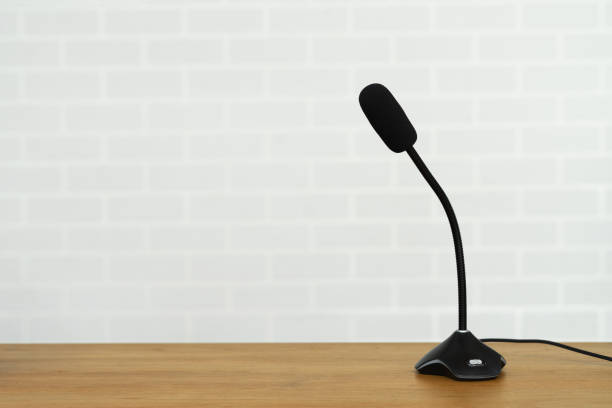
USB microphones are the easiest entry. They have a preamp and analog-to-digital converter built in. You plug into a computer, tablet, or phone with the right adapter, and you’re recording. Most have headphone jacks for zero-latency monitoring, gain knobs, mute buttons, maybe mix controls. For a solo creator doing voiceovers, podcasts, streaming, Zoom calls, or YouTube, a decent USB mic is often all you need. They are compact, travel-friendly, and don’t require extra gear. The catch: USB mics are usually limited to one microphone per computer unless you use software workarounds. They can also pick up computer fan noise and keyboard clatter because they sit close to your desk. And if the USB port or cable is flaky, you get dropouts. Still, for one person in one room, that simplicity is a feature, not a bug.
XLR microphones are the traditional pro path. An XLR mic sends analog signal down a balanced cable to an audio interface, mixer, or recorder. The interface converts to digital and gives you clean gain, monitoring, and often multiple inputs. XLR opens the door to better preamps, longer cable runs without noise, and easy expansion. If you ever want two hosts, a guest, or an instrument, XLR is the grown-up route. But it costs more. You need a mic, an interface, an XLR cable, and maybe a stand and headphones. You also need to learn gain staging: set input level so loud parts don’t clip and quiet parts aren’t hissy. That’s not hard, but it’s more than plugging in.
Now, the actual microphone type matters as much as the connector. Dynamic mics are rugged and less sensitive to room noise. They’re great for untreated bedrooms, noisy apartments, and close-up podcast or streaming voices. Condenser mics are more sensitive and detailed. They capture subtlety and room reverb equally well. In a quiet, treated space, a condenser can sound fantastic. In a bare room with traffic and a humming fridge, it will proudly broadcast every flaw. If you’re choosing your first mic and your room isn’t perfect, a dynamic USB or XLR mic is usually the safer bet. If your room is quiet and you want that polished voiceover sound, a condenser can work, but budget for a pop filter, shock mount, and maybe a moving blanket or two.
Polar patterns are another simple decision. Cardioid picks up mostly what’s in front and rejects the back. That’s ideal for solo creators. Omnidirectional hears the whole room. Figure-eight hears front and back. For first-timers, cardioid is the default. If you record with a co-host across a table, you might eventually want two cardioid mics or a multi-pattern mic, but don’t overcomplicate your first purchase.
What about mobile devices? Many USB mics work with phones and tablets using the right adapter, but power requirements can be fussy. Some need a powered USB hub. XLR mics need an interface that can connect to mobile, and not all interfaces play nicely with every phone. If mobile recording is your main goal, check compatibility before buying. A simple USB-C or Lightning-compatible mic can be a huge upgrade over built-in mics for interviews, field notes, or TikTok voiceovers.
The best first microphone is the one you’ll actually use. A cheap mic that’s always plugged in and ready beats an expensive one that lives in a drawer because setup is annoying. If you want to hit record in ten seconds, buy a USB mic with a headphone jack and a mute button. If you know you’ll want multiple mics, better preamps, and a long-term studio, start with an XLR dynamic mic and a basic two-input interface. You can always upgrade later. Your first mic doesn’t need to be perfect. It needs to get you recording, learning, and sounding better than your laptop. That’s the real win.