Your phone’s camera is not the problem. The tiny sensor inside it is doing heroic work, but it needs light the way a plant needs water. When the sun goes down or you move indoors, your phone cranks up its sensitivity, and that’s when video gets noisy, soft, and weirdly orange. A pocket-sized LED light is one of the cheapest, simplest accessories you can add to your mobile creator kit, and it will improve your footage more than a new phone ever will.
Think of light as the difference between a snapshot and a scene. A phone flash is a harsh, flat blast that makes everyone look like a deer in headlights. A small adjustable light gives you control. You can soften shadows, warm up a cool room, or add a splash of color behind your subject. You don’t need a studio. You need something that fits in your pocket, charges over USB-C, and attaches to a phone clamp or tripod.
When you shop, ignore marketing nonsense and focus on practical things. Brightness matters, but raw power is not everything. A light that is too harsh is worse than a dim one. Look for adjustable brightness and color temperature, usually listed as something like 2500K to 6500K. That range takes you from warm candlelight to cool daylight. A good bi-color panel is more useful for most people. Check the color rendering score, often called CRI. A high CRI means skin tones and product colors look natural instead of sickly.
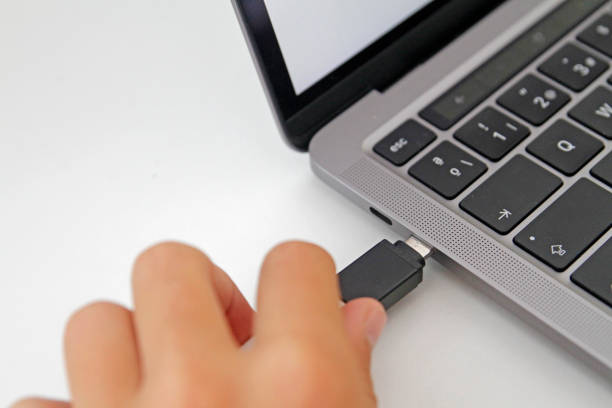
Battery life is the next big thing. A light that dies after twenty minutes is a paperweight. Look for USB-C charging, pass-through power, and a battery that lasts at least an hour at reasonable brightness. Mounting matters too. Some lights clip onto your phone, some screw into a tripod, and some use a magnetic back. If you already carry a phone tripod, make sure the light has a cold shoe mount or a standard quarter-inch thread. That tiny detail saves you from holding the light with one hand while filming with the other.
Diffusion is the secret weapon. Bare LEDs create sharp shadows and shiny highlights on foreheads. A sheet of diffusion material, a tiny softbox, or even a piece of white paper can turn a harsh beam into something flattering. If your light comes with a diffuser, use it. If it doesn’t, buy one or make one. You will immediately look less like a hostage video and more like a creator who knows what they are doing.
Placement matters more than price. Put your main light slightly above eye level and about forty-five degrees to one side of your face. That angle gives shape and depth. Directly in front makes your face flat. Below your chin gives spooky shadows. For product shots, move the light around the object to reveal texture. For a moody background, hide a small RGB light behind you and point it at the wall. One light can do a lot when you stop treating it like a flashlight and start treating it like a paintbrush.
You do not need a truckload of gear. A single pocket light, a phone clamp, and a compact tripod can transform a bedroom, coffee shop, or hotel room into a usable set. Later, add a second light for fill or a tube light for backgrounds. But start with one. Learn how distance changes softness. Learn how color temperature changes mood. Learn how a white wall can bounce light back into a shadow. These skills cost nothing and stay with you when you upgrade your phone.
The biggest mistake mobile creators make is buying cheap lights that only look good in product photos. A flimsy clip that droops, a battery that swells, or a color temperature that shifts green will ruin your motivation. Spend a little more on a light from a brand that offers real specifications and honest reviews. Your phone already has a great camera for its size. Give it a fighting chance. A pocket light is not glamorous, but it is the difference between footage that looks accidental and footage that looks intentional.