The cheapest printer on the shelf is rarely the cheapest printer to own. Manufacturers often sell hardware at a loss and make money on ink. So bargain hunting should start with cost per page, not sticker price. If you print 10 pages a month, cheap inkjet might be fine. If you print school packets, shipping labels, and D&D character sheets, a laser printer or tank printer can save you. Before buying any deal, estimate monthly pages. This one number changes everything.
Inkjet bargains. Look for cartridge sizes. XL cartridges often cost more upfront but less per page. Avoid printers with tiny starter cartridges. Tank printers cost more but refill bottles are cheap. They are great for color and photos, but if you print rarely, ink can dry out. Laser printers are workhorses for black text. Monochrome laser deals are common. Color laser costs more but toner lasts. For most households, a cheap monochrome laser plus a separate scanner is a solid combo.
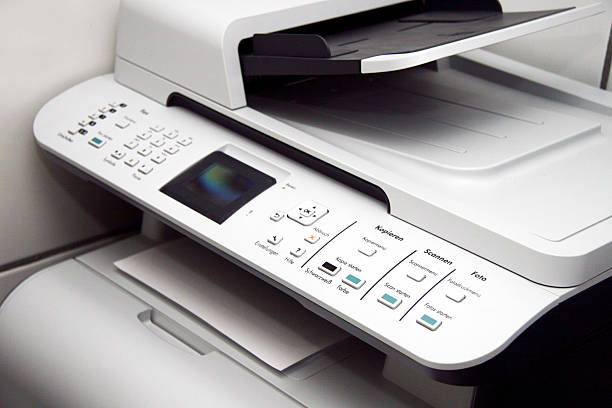
Scanner bargains. Most people don’t need a dedicated film scanner or high-end photo scanner. A flatbed multifunction printer scans documents, receipts, photos. Key features: automatic document feeder (ADF), duplex scanning, Wi-Fi, and scan-to-email/cloud. ADF is the feature you’ll miss if you don’t get it. Duplex scanning saves flipping. If you scan books or fragile photos, flatbed is better. If you scan lots of paper, ADF is worth it. Check whether scanner works without ink. Some all-in-ones refuse to scan if ink is empty. That’s a dealbreaker. Look for models that scan independently.
Where to find deals. Refurbished and open-box from manufacturer outlets can be excellent. Office liquidations, university surplus, and local auctions sell business-grade lasers with low page counts. Facebook Marketplace and thrift stores can have $20 laser printers, but test before buying. Ask for a test print and a test scan. Bring a USB cable and laptop. Check for cracked glass, paper jams, and error lights. Missing power cables and toner can kill the bargain. Back-to-school, Black Friday, Prime Day, and tax season are good times.
Subscription traps. Some printers require an ink subscription and internet connection. If you don’t print enough, you pay monthly. If you print too much, overage fees. If you cancel, cartridge may stop working. For a bargain hunter, avoid printers that lock you into a subscription unless you want the convenience. Read fine print. “Free ink” usually isn’t free. Third-party ink and toner can cut costs, but some printers block them with firmware. Check reviews before buying. Refill kits are messy. Remanufactured cartridges from reputable sellers are often fine.
Connection and software. A bargain printer that won’t connect is a paperweight. Look for Wi-Fi, Ethernet, USB, and AirPrint or Mopria. If you have a mesh network, 2.4GHz is often needed for setup. Some cheap printers only support 2.4GHz. Scanner software can be awful. Check if it works with your computer or phone. For documents, a phone scanning app can replace a scanner, but for stacks of paper, a real ADF is faster. Drivers matter. Windows, macOS, Linux, ChromeOS support varies. If you use Linux, check before buying.
Total cost of ownership. Add printer price, ink/toner, paper, and extended warranty. Business lasers have higher upfront costs but cheap toner and long life. Tank printers have high upfront but cheap ink. Cheap inkjets have low upfront but expensive ink and short life. A $50 printer with $40 cartridges that last 100 pages costs more than a $200 laser with a $60 toner that lasts 2,000 pages. Do the math for your printing habits. Also consider print speed, duplex printing, and noise. A slow printer that wakes the house is not a bargain.
Final advice. Buy the boring model with good reviews and cheap supplies. Don’t chase features you won’t use. Scan quality above 600 dpi is rarely needed for documents. Photo prints need more care. If you only print occasionally, consider a cheap laser and use a print shop for color. If you scan often, prioritize ADF and duplex. Keep receipts and check return policies. A great printer or scanner bargain isn’t just cheap today. It’s cheap next month, next year, and when you need it. That’s the real steal.