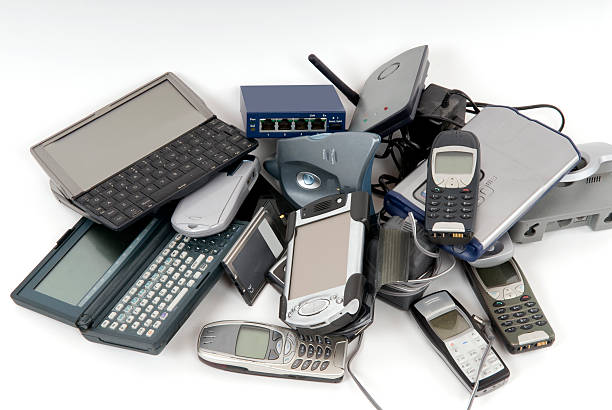
The modern household does not have one phone. It has three phones, two tablets, a laptop, wireless earbuds, a smartwatch, a handheld game console, and a camera that all seem to need power at the same time. The result is usually a kitchen counter covered in a tangled pile of white and black cables, with someone yelling that their charger disappeared again. A charging station will not fix every family argument, but it can end the daily hunt for power. The trick is to build a system that is easy enough for everyone to use without thinking.
Start by choosing one honest location. Do not put the main charging station in a bedroom if everyone actually gathers in the kitchen or living room. Put it where devices already land, like a hallway table, a kitchen counter corner, or a home office shelf. That place should have a wall outlet nearby and enough surface area for the devices you plan to charge. Avoid wet areas, stove tops, and crowded walkways. The best station is not hidden away in a drawer, because out of sight usually means out of charge. It should be visible, reachable, and boring enough that people use it every day.
Next, fix the power source. Buy a quality surge protector with outlets spaced far enough apart for chunky wall chargers. USB ports built into a cheap power strip are often slow, so do not rely on them for tablets or laptops. Instead, use good wall adapters with USB-C Power Delivery for modern phones, tablets, and laptops. A single high-wattage gallium nitride charger can replace a drawer full of bricks, but check its total output. If it says one hundred watts across four ports, that power is shared. Plug in two laptops and each may charge slowly. Also, never daisy-chain power strips. That is how you turn a simple charging corner into a fire hazard.
Cables are where most multi-device households fall apart. You do not need fifty cables. You need the right cables, in the right lengths, assigned to the right devices. Use short cables for a countertop station and longer ones for a couch or bedside table. Label each cable with a small piece of colored tape or a label maker. Give each person a color. That one habit stops the mysterious migration of chargers. Use Velcro ties or cable clips to keep unused cables from sliding behind furniture. If a cable is frayed, bent at a sharp angle, or only works when wiggled, throw it away. A bad cable is not worth a damaged port.
The physical layout matters as much as the electronics. A simple tray, basket, or letter organizer can keep phones standing upright and tablets separated. Laptops need airflow, so do not stack them while charging. Smartwatches and earbuds need small dedicated spots, or they will fall behind the desk. Game controllers can live in a dock if you have one, but a simple shelf works too. If you want to hide the mess, use an open shelf with a cable management box, not a sealed drawer. Chargers make heat, and heat trapped in a closed drawer shortens battery life. Open air is your friend.
Think in zones instead of one giant pile. A grab-and-go station near the door can hold phones, power banks, and earbuds. A work station can hold a laptop, dock, and tablet. A bedside station can charge a watch and phone overnight, though you may want to keep notifications out of arm’s reach. Guests need a spare cable and adapter, not a lecture about which port is fastest. Kids can have a lower shelf with rugged cables. Adults can have an upper shelf. When every device has a home, nobody has to unplug the router to charge a handheld.
Finally, accept that a charging station needs a tiny bit of maintenance. Once a week, untangle the cables, wipe the surface, and check for heat or damage. Most modern devices stop drawing power when full, but they can still get warm. Do not charge under pillows, blankets, or couch cushions. Teach the household a simple rule: if you take a cable, put it back. The goal is not a perfect Instagram shelf. The goal is less friction. When charging becomes automatic, you stop thinking about battery percentages and start leaving the house with full devices. That is a home hack worth keeping.