Cables are boring until they stop working. Then they become the most important object in your house. The charger that no longer charges, the HDMI cable that turns your movie night into a troubleshooting session, the laptop power cord that only works if you hold your foot at a weird angle. Most cable failures are not mysterious. They come from repeated bending, heat, bad storage, and rough handling. The good news is that a few simple habits can keep your cables alive for years instead of months, and you do not need to be technical to pull them off.
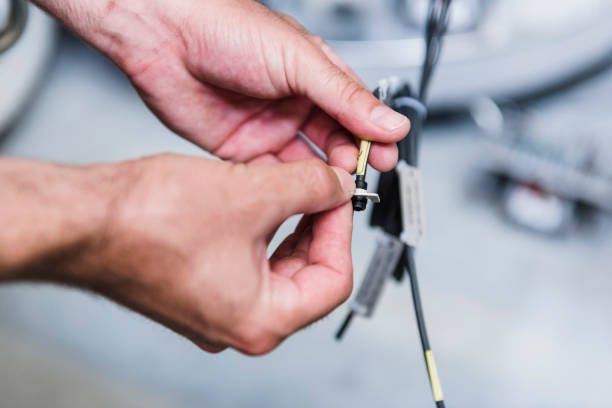
Most damage happens near the connectors. That is the chunky end you plug into your phone, laptop, TV, or game console. The metal plug itself is usually fine. The weak spot is where the plug meets the cable. If you yank the cable out by the wire, you are pulling on tiny strands and solder joints that were never designed to take that kind of abuse. Always grab the connector body and pull it straight out. It feels slower, but it saves you money. The same rule applies to unplugging a monitor, a router, or a controller. Pull the plug, not the cord.
The way you wrap a cable matters more than most people think. Wrapping it tightly around your hand or around the power brick creates sharp bends. Sharp bends break the copper inside and can crack the outer jacket. Instead, use loose loops about the size of a dinner plate. A simple method called over-under helps prevent twisting. You make one loop, then the next loop goes the opposite way, so the cable naturally coils without fighting itself. It sounds fussy, but it takes five seconds and stops the cable from turning into a knotted mess. If over-under feels confusing, just keep your loops loose and avoid pulling tight. That alone prevents a lot of grief.
Ties are another quiet killer. Tight zip ties and thin twist ties can pinch a cable and crush the shielding inside. Use soft hook-and-loop straps, often sold as cable ties, or even a strip of fabric. Leave a little slack. The goal is to keep the coil together, not to strangle it. If you reuse the twist tie from a bread bag, fine, but do not crank it down. A loose tie is a happy cable.
Heat and sunlight are enemies. Leaving a cable on a hot car dashboard, behind a radiator, or in direct summer sun can make the plastic jacket brittle. Once the jacket cracks, moisture and dust get in, and the cable starts acting up. Try to route cables away from hot surfaces and sharp metal edges. If a cable runs under a desk chair or across a doorway, it will get rolled over, stepped on, and pinched. A cheap cable raceway or a few adhesive clips can keep it out of harm’s way. You do not need a fancy setup. You just need to stop your chair from chewing the cord.
Strain relief is the fancy term for not letting the cable bend sharply right at the connector. When you charge your phone in bed, do not let the cable bend hard against the nightstand. When you plug a laptop into a wall, leave a little loop of slack so the connector is not bearing the weight. When you use a controller, do not let the cable snap tight during a tense moment. A gentle curve is fine. A ninety-degree fold at the plug is not. If a cable is under constant tension, replace the setup, not just the cable.
Cleaning matters too, especially for charging cables that live in pockets and bags. Lint and dust can pack into the connector and block the metal contacts. Do not blow into the port, because your breath adds moisture. Use a soft dry brush, like a clean toothbrush, or a wooden toothpick to gently lift debris. For metal contacts, a little isopropyl alcohol on a cotton swab can help, but make sure everything is dry before you plug it in. Never use water. Never jam a metal pin inside a port. If you are not comfortable cleaning it, a repair shop can do it quickly.
Storage should be boring and organized. Tossed into a drawer, cables tangle, bend, and get crushed by other junk. Coil each cable loosely, secure it with a soft tie, and put it in a labeled pouch or a small bin. If you have a box of mystery cables, sort them once. Keep the ones you actually use, label them with masking tape, and let go of the ancient ones that no longer fit anything. Your future self will thank you.
Travel is where cables go to die. Do not bury them at the bottom of a backpack under books and water bottles. Use a small pouch with individual loops. Keep chargers and cables separate from keys and sharp objects. If you fly, pack the cables you need in your carry-on so they do not get crushed in checked luggage.
Finally, inspect your cables now and then. Look for frayed jackets, bent connectors, exposed wire, or a plug that gets hot. A cable that sparks, smells like burning, or only works at a certain angle is not worth saving. Tape and hope are not repair strategies. Replace it before it damages your device or starts a fire.
None of this requires special skills. Pull the plug, not the cord. Coil loosely. Avoid heat and sharp bends. Tie gently. Clean occasionally. Store with a little care. Do that, and your cables will quietly do their job for a long, long time.