The moment you play a handheld for more than twenty minutes, your hands start complaining. Your pinkies go numb. Your thumbs cramp. That is where a good grip case earns its keep. It sounds boring, but ergonomics are the real killer feature. A grip adds bulk in the right places, spreads weight across your palms, and gives your fingers a natural resting spot. Look for soft-touch plastic or rubberized texture, rounded edges, and cutouts that do not block ports or vents. Avoid cheap grips that creak or slide. A great grip turns a short session into a long adventure without making you feel like you just finished a workout.
A screen protector is the next unglamorous hero. Handheld screens collect scratches from docks, bags, keys, and pocket grit. Tempered glass is cheap insurance. Matte finishes cut glare; glossy finishes keep colors punchy but turn into mirrors outdoors. Thumbstick caps are another tiny upgrade with real payoff. They can add grip, height, or a softer edge for precision. Just check they do not rub against your case or cause drift. No accessory should make your controls worse. A slim carrying case keeps everything together, protects against pressure, and gives cables, game cards, and a power bank a home. The best case is the one you actually carry.
Battery life is the boss fight. A power bank with USB-C Power Delivery is your ally, but wattage matters. Many handheld PCs want forty-five watts or more to charge while playing. A weak bank barely keeps up, and a cheap cable can throttle the whole thing. Look for a reputable brand, clear wattage rating, and a cable rated for the same power. For phones and smaller handhelds, a slim ten-thousand milliamp-hour pack is plenty. For bigger devices, go higher and accept the weight. Carry a short cable, because long ones waste power and tangle. Lower brightness, turn off vibration, and close background apps when you are low.
Docks and controllers turn a handheld into a home console. A good USB-C dock adds HDMI, USB ports for a controller, and sometimes Ethernet. The catch is power delivery. Some handhelds need a dock that passes through enough wattage to charge while driving a TV. Unpowered hubs may work for a flash drive but choke under a gaming load. Keep vents clear, because docks trap heat. For controllers, Bluetooth is convenient but latency can ruin rhythm games. A wired controller or a two-point-four gigahertz dongle is usually more reliable. For mobile, clip-on controllers beat touchscreen sticks, especially with pass-through charging. Test triggers before you commit, because mushy triggers are a dealbreaker.
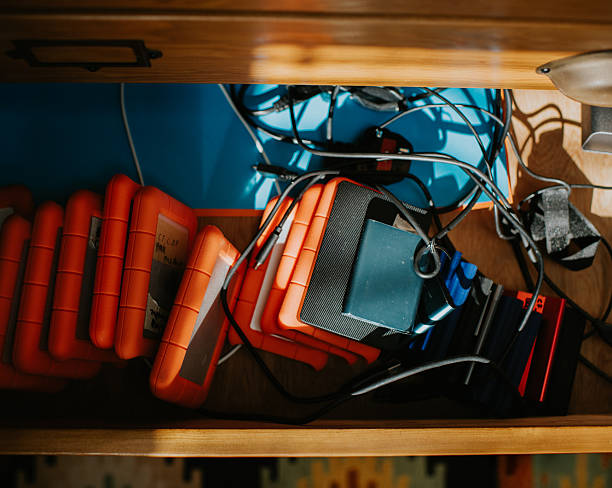
Storage and audio are the quiet upgrades. A fast microSD card works for many handhelds, but check speed class and maximum supported size. Handheld PCs may take a compatible SSD upgrade. External SSDs are great for backups and moving games. Buy from trusted sellers, because counterfeit cards fail at the worst time. Keep cloud saves on and copy important saves now and then. A small organizer pouch for cards and cables costs little and prevents the classic where-is-that-tiny-game-card panic. For audio, built-in speakers are fine for quick sessions, but headphones are better. Bluetooth earbuds can lag, so use wired or low-latency wireless when timing matters. Comfort matters more than specs. If your ears hurt after an hour, you bought the wrong pair.
The best peripherals are not the flashiest. They are the ones you forget about because they just work. Start with a grip and screen protector. Add a case you will carry. Solve power next, then storage, then dock or controller. Buy one good thing at a time and test it during a real session, not a five-minute demo. Return policies are your friend. A stand can also help if you play tabletop mode and want to avoid hunching over. You do not need a giant kit. You need a few thoughtful upgrades that respect your hands, your battery, and your time. Do that, and your handheld will feel less like a gadget and more like a console you love.