If you make videos, podcasts, photos, streams, or anything else, storage is not a boring afterthought. It is the floor your whole workflow stands on. When storage is set up well, you barely notice it. When it is set up badly, you lose footage, miss deadlines, and spend hours waiting on progress bars. The good news is that you do not need an enterprise server or a degree in IT. You need a simple system with three jobs: work fast, back up often, and archive safely.
Your working storage is where current projects live. This is the drive you edit from, export to, and open every day. It needs to be fast and reliable. For most creators, an internal NVMe SSD is ideal, but an external USB-C SSD is a close second. Look for sustained write speed, not just the big number on the box. Many cheap drives sprint for a few seconds, then crawl once their cache fills. If you edit 4K video, multicam, or large audio projects, a Thunderbolt or USB4 drive can make scrubbing and rendering feel much smoother. If you mostly work with 1080p video, photos, and documents, a good SATA SSD is usually plenty.
Do not edit directly from an SD card, a USB flash drive, or an old spinning hard drive. Copy footage to your working drive first, then eject the card. This one habit prevents stutters, corrupt files, and the special heartbreak of a card dying mid-project. For capacity, one terabyte is a reasonable starting point, but two terabytes is more comfortable for video. Keep at least twenty percent of the drive empty. SSDs slow down when they are nearly full, and operating systems need breathing room.
Backup is where many creators get lazy, and it is exactly where disaster waits. A backup is not the same as a second copy you drag around. A backup is automatic, versioned, and stored somewhere else. If your only copy is on the same desk as your computer, a spilled drink, power surge, theft, or house fire can take everything at once. Keep one copy on a separate drive, and another copy offsite. Cloud storage can be that offsite copy, but remember that syncing is not the same as backing up. If you delete a file on your computer and the cloud deletes it too, that sync service did its job, not yours.
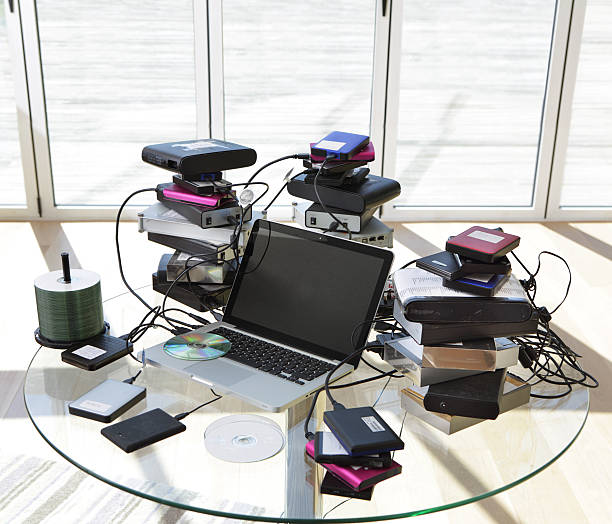
A simple approach works for almost everyone. Use your fast working drive for active projects. Use a larger external hard drive for local backups. Use a cloud service or a second external drive stored at another location for offsite protection. Set backups to run on a schedule so you do not have to remember. Then test a restore. A backup you have never tried to recover is just a hopeful pile of files. This is not glamorous, but it is the difference between a bad day and a lost career.
Archiving is the final piece. Once a project is finished and delivered, it does not need to sit on your expensive fast drive forever. Move it to a cheaper drive, a NAS, or cloud cold storage. Organize folders by year, month, and project name. Include the final export, project files, raw footage, graphics, and a small text file with notes about the project. Future you will not remember which camera settings you used or why a client wanted a revision. A little documentation now saves a lot of guessing later.
Mobile creators need the same logic in a smaller package. Phones and tablets fill up fast, especially with high-resolution video. Use an external USB-C SSD when you can, and offload footage regularly. Cloud photo services are great for memories, but they are not a professional archive. Keep project files in a folder structure you control. If you shoot on your phone, copy the clips to a drive before editing a big project. It keeps your device responsive and your footage safer.
The best storage setup is not the most expensive one. It is the one you will actually maintain. Buy a fast drive for work, a big drive for backup, and an offsite option for emergencies. Label things clearly. Replace drives before they fail, not after. Keep cables and ports clean, use a surge protector, and eject drives properly. None of this will make you more creative, but it will protect the work you create. That is a trade worth making every time.