There is a reason so many people keep a battered gray rectangle in a drawer. A modern controller can do more, but an old one often feels better. It is not just nostalgia, although nostalgia is powerful. Retro gamepads were built around a small number of actions, and they had to get those actions right. A directional pad, two to six buttons, maybe start and select. That simplicity forced designers to make every press count. When you pick up an NES pad, a Super Nintendo controller, a Genesis six-button, or an original PlayStation pad, your thumbs remember the layout before your brain catches up.
The magic often lives in the d-pad. Nintendo’s cross-shaped pad became the standard because it gave eight directions with a precise pivot. Sega’s floating disc felt smoother and rounder, which suited fast platformers and fighting games. Sony split the directions into four separate buttons, which some players loved for rolling motions. Under the plastic, rubber domes and carbon pads create a soft but snappy response. Modern controllers use similar parts, but they also pack in triggers, sticks, rumble, gyros, and touchpads. More features can mean more to go wrong. A good retro controller has fewer failure points and a directness that is easy to appreciate.
Latency is another reason old controllers still feel sharp. Most retro pads were wired, and a wire sends your button press almost instantly. When you connect an original controller through a USB adapter, you usually keep that advantage. Bluetooth is convenient, but wireless can add a few milliseconds of delay. For slow puzzle games, you will never notice. For fast shooters, rhythm games, or precise platformers, those milliseconds matter. If you are serious about feel, use a wired adapter or a modern wireless controller with a low-latency mode. Test it with a game you know well. Your hands will tell you the truth.
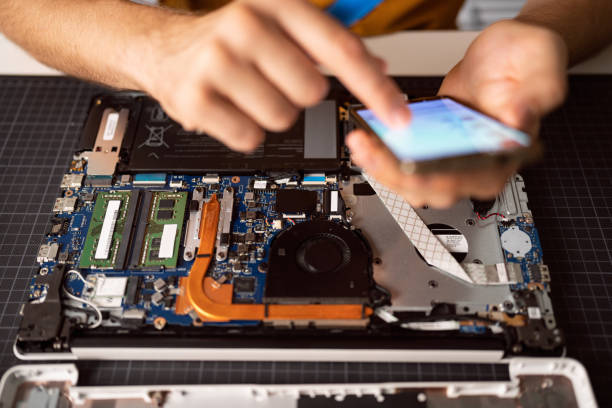
Bringing an old controller back to life is easier than many people think. Start with a clean workspace and a screwdriver that fits. Open the shell carefully, take photos as you go, and keep screws organized. Use isopropyl alcohol and cotton swabs to clean the plastic, the board, and the contact pads. If buttons feel mushy or presses do not register, the rubber membranes are probably worn. Replacements are cheap and widely available for popular controllers. Joysticks on the Nintendo 64 and GameCube are common weak points. You can rebuild them, replace the stick box, or install a modern Hall effect module. You do not need to become an electronics expert to enjoy retro gaming.
Adapters are what make old controllers useful today. USB adapters let you plug original pads into a PC, Raspberry Pi, or MiSTer. Wireless receivers can connect classic controllers to modern hardware. Some adapters support multiple systems, button remapping, and firmware updates. Emulators usually recognize them as standard gamepads, so you can map buttons in seconds. For content creators, a retro controller is also a visual prop. It signals the era of the game before you say a word. For gamers, the right adapter means you can play a modern indie platformer with the same d-pad you used as a kid. That combination of old feel and new convenience is hard to beat.
Comfort is where nostalgia meets reality. Original controllers were designed for smaller hands and shorter play sessions. A marathon session with a flat NES pad can cramp your hands. You can add grips, use a joystick, or choose a modern retro-style controller with better ergonomics. Arcade sticks are another path. A good stick with real microswitches feels fantastic for fighting games and shoot ’em ups. Custom buttons, colored shells, and weighted bases let you tune the experience without losing the retro vibe. The goal is not to suffer for authenticity. The goal is to play comfortably and enjoy the feel.
In the end, retro controllers are more than input devices. They are muscle memory, history, and a direct line to the games that shaped you. You do not need a huge collection. Start with one controller you loved. Clean it, test it, find the right adapter, and play something familiar. The graphics may be old, but the feel can still be perfect.