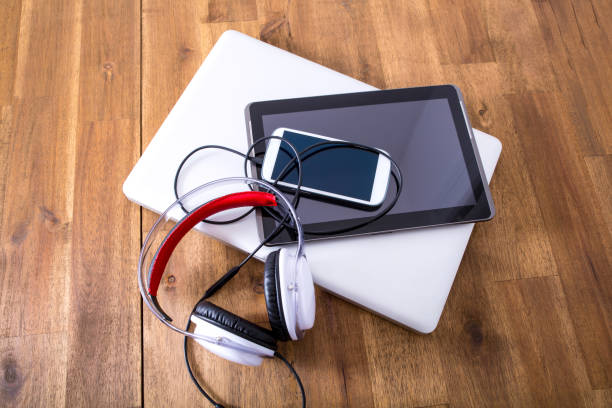
The fastest way to waste money on audio gear is to buy the newest model the moment you need it. Headphones, earbuds, gaming headsets, Bluetooth speakers, and soundbars follow predictable price cycles. A new version arrives, the previous version drops, and suddenly last year’s flagship costs less than this year’s budget model. That older flagship often has better build quality, stronger battery life, and nicer materials. If you can wait two or three weeks, set a price alert and watch. A deal you plan for almost always beats a panic buy.
Manufacturer-refurbished gear is one of the best-kept secrets in audio. Certified refurbished means the maker inspected it, replaced worn parts, and packed it with a warranty. Open-box items are another sweet spot: returned gear the retailer cannot sell as new. You can save twenty to forty percent on a product that looks and works like new. Read the return policy before you buy. If you can send it back within thirty days, the risk is low. Check battery health on wireless gear, and remember that ear pads and cables are cheap to replace. A few scratches on a speaker cabinet do not affect sound.
Wireless convenience is worth paying for, but only if you need it. Bluetooth gear costs more because it contains batteries and radios. A wired headset or a simple pair of powered speakers often delivers more sound quality per dollar. For gaming, a wired headset with a good microphone can cost half as much as a wireless model and avoids latency and charging headaches. For music around the house, a cheap amplifier plus used bookshelf speakers can beat a pricey Bluetooth speaker. If you go wireless, look for Bluetooth 5.0 or higher, multipoint pairing, and a low-latency mode for games and video. Do not pay extra for features you will never use.
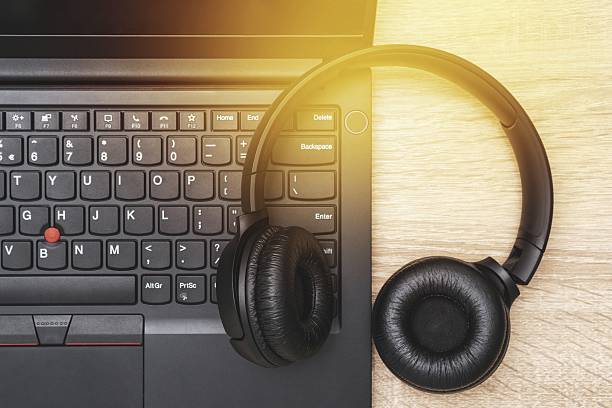
Comfort and fit decide whether a deal is real. A discounted headset that clamps too hard or makes your ears sweat will sit in a drawer. Check the weight, the ear pad material, and the return window. For speakers, match the size to your room. A tiny speaker cannot fill a living room, and giant floor speakers are overkill in a small apartment. A soundbar with a subwoofer is a practical middle ground for movies. Look for HDMI ARC or eARC, optical input, and a wired subwoofer connection. Those features matter more than a long list of fake surround modes. Test the gear in your actual space before the return period ends.
Gamers and content creators can save the most by separating needs. Many gaming headsets charge a premium for LED lights and brand names. A solid wired headphone plus a separate clip-on or desktop microphone often costs less and sounds better. Creators can often find a dynamic USB microphone and closed-back monitoring headphones on sale during back-to-school and holiday events. Speakers for editing do not need to be expensive studio monitors. A decent pair of powered bookshelf speakers will do for most home setups. If you edit video or stream, spend on a good microphone first.
Timing is everything. Black Friday, Cyber Monday, Prime Day, and back-to-school sales bring real discounts, but so do new product launches. When a new flagship headset or speaker is announced, the old model drops fast. Manufacturer outlet stores often have extra savings. Always compare the sale price to the historical price. A fifty percent off tag means nothing if the original price was inflated. Set an alert, wait for the price you want, and do not let a countdown timer bully you.
Long-term savings come from maintenance and common sense. Replace worn ear pads instead of replacing the whole headset. Buy a spare cable before you lose the original. Clean speaker grilles and keep gear away from direct sunlight. Skip premium digital cables and exotic speaker wire. Basic copper wire and a standard HDMI cable work fine. Set a budget before you shop. The best deal is not the cheapest item. It is the gear you will actually use every day, for years, without regret.