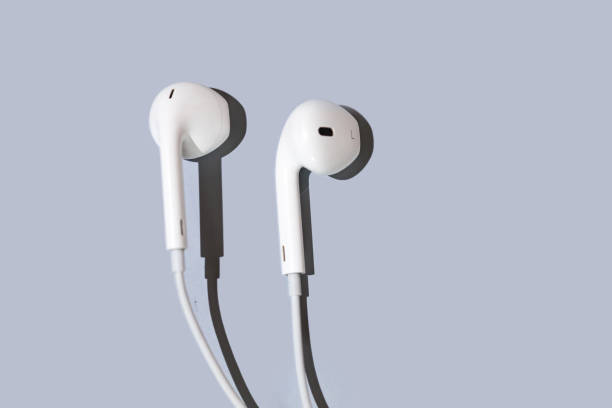
Active noise cancellation used to be a blunt instrument. You flipped a switch, the earbuds hummed, and suddenly the low rumble of a bus engine disappeared—but so did a bit of the music, and often your ability to hear someone calling your name. The latest generation of adaptive ANC earbuds fixes that. Instead of applying one fixed level of noise reduction, these devices listen to your environment in real time and adjust how much outside sound they block. For anyone who wants to get more out of their audio gear without turning into an audio engineer, this is the most practical upgrade to understand.
Here’s how it works in plain language. Tiny microphones on the outside of the earbud sample the noise around you. Tiny microphones on the inside check what’s actually reaching your ear. A processor compares the two and generates a mirror-image sound wave to cancel the unwanted noise. Adaptive ANC takes that a step further by continuously measuring changes—a quiet office, a busy train platform, a windy street—and shifting the strength of the cancellation. Some systems can adjust dozens of times per second. You don’t have to touch a thing. The earbuds just do the thinking.
Why should you care? Because constant maximum noise cancellation can feel like pressure in your ears, and it can make you less aware of your surroundings. Adaptive systems dial back the effect when you’re in a safe, quiet place, and they crank it up when a jet engine or a leaf blower interrupts your podcast. That means less ear fatigue on long listening sessions. It also means better battery life, since the earbuds aren’t running the cancellation at full blast all the time. For commuters, students, and anyone who works in a chaotic home, that trade-off is a genuine quality-of-life improvement.
The cutting-edge part is how these earbuds now handle transparency modes. Older models made you choose between full noise cancellation and letting the world in. Newer adaptive systems blend the two. If you start speaking, the earbuds detect your voice and automatically switch to a mode that lets you hear yourself and the person across from you. Some models even reduce the volume of your music and amplify nearby voices. That sounds like a small thing until you use it. You stop yanking one earbud out every time a barista asks for your name. You stop missing announcements at the gate. The technology gets out of your way.
For gamers and movie watchers, adaptive ANC pairs well with spatial audio. The earbuds can keep background noise from ruining quiet dialogue scenes, then let the punchy parts of an action sequence hit without distortion. If you’re using earbuds with a dongle for a handheld console or a laptop, look for a model that lets you adjust the ANC level manually as well as automatically. Some people prefer a little environmental awareness during multiplayer games so they can hear a roommate or a doorbell. The best adaptive systems give you that choice without burying it in a confusing app.
What should a non-technical buyer watch out for? First, adaptive ANC is not the same as “ANC on/off.” Check the specs for words like “adaptive,” “auto-adjusting,” or “environment-aware.” Second, ear tip fit matters more than any processor. A poor seal makes even the best cancellation sound thin. Third, don’t pay extra for adaptive ANC if you only listen in one quiet room—basic ANC is fine. But if your day moves between loud and quiet spaces, the adaptive version earns its keep. Finally, remember that no earbud cancels all noise. High-pitched sounds like crying babies or screeching brakes are harder to block than low rumbles. Adaptive systems help, but they’re not magic.
The real appeal here is simplicity. You put the earbuds in, and they figure out the rest. No menus, no fiddling, no wondering whether you’re in the right mode. For people who want cutting-edge audio gear without a learning curve, adaptive ANC is the feature to look for. It saves your ears, saves your battery, and lets you stay in your bubble only when you actually want to be there.